


.svg)




















Beyond AI
How AI helps you publish videos on YouTube

This article is an extension of the content found on the Beyond AI YouTube channel. In the video, we discuss how artificial intelligence (AI) impacts digital transformation across various sectors. If you want to learn more, I encourage you to watch the video—you will find detailed explanations and interesting examples there. Beyond AI is your guide to the rapidly changing world of artificial intelligence.
Watch this material on YouTube:
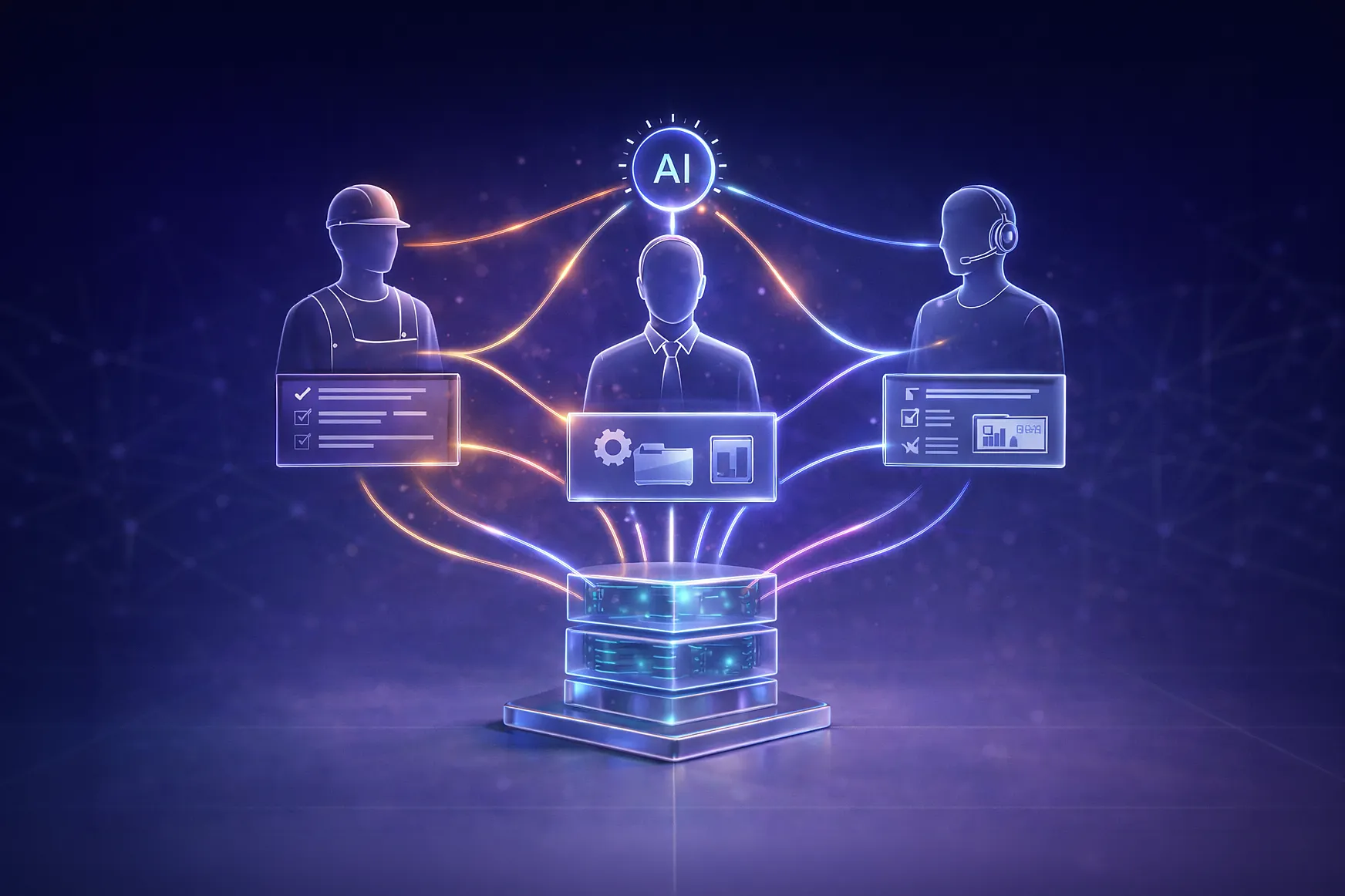
Digital transformation is the process of changing the way companies operate through modern technologies. At the heart of this process, artificial intelligence is increasingly found. Thanks to AI, companies can automate routine tasks, analyze data better, and offer more tailored services to their customers.
In today's world, where the pace of change is immense, organizations that can effectively use AI gain a significant advantage over the competition.
Artificial intelligence has broad applications—from data analysis to the optimization of daily operations within companies.
Its greatest asset is the ability to quickly process vast amounts of information, allowing for more accurate decision-making. In practice, this means, for example, the possibility of automating repetitive tasks, which lowers costs and allows employees to focus on more creative aspects of their work.
AI is increasingly finding applications in different sectors of the economy. In finance, it helps with credit risk assessment, fraud detection, and streamlining customer service.
In the healthcare sector, AI supports doctors in diagnosing diseases by analyzing medical images or test results. Furthermore, it allows for the creation of personalized treatment plans, which translates into better patient care.
Digital transformation driven by AI also has an impact on the job market. On one hand, automation can lead to a reduction in the number of jobs in some sectors. On the other hand, new, more advanced positions are being created related to the development, implementation, and maintenance of AI-based systems.
It is crucial for employees to be able to adapt to these changes through continuous skill improvement and learning new things.
Although artificial intelligence has enormous potential, its implementation in companies can be difficult. Problems often arise regarding the integration of new solutions with existing systems, change management, or legal and ethical issues. Furthermore, the lack of AI specialists is another obstacle that can delay digital transformation.
To fully exploit the opportunities offered by AI, companies must invest in developing the competencies of their employees and collaborate with external experts.
The future of digital transformation is inextricably linked to the development of artificial intelligence. As this technology evolves, new opportunities will emerge for companies in various industries.
We can expect further automation, better utilization of data, and the emergence of innovative business models. Companies that are already investing in AI will be in a better position to benefit from these future opportunities.
It is the process of transforming a company's activities using modern technologies to increase its efficiency and innovativeness.
Artificial intelligence allows for the automation of processes, better data analysis, and the creation of more tailored services, which translates into greater efficiency and competitiveness.
The biggest challenges are integrating AI with existing systems, change management, legal and ethical issues, and a lack of specialists in the field of AI.
AI automates many tasks, which may lead to job reductions in some sectors, but simultaneously creates new, more advanced positions.
If you want to learn more about the fascinating world of artificial intelligence, visit the Beyond AI channel on YouTube. It is a place where you will find plenty of information and inspiration regarding AI. Your guide to the dynamic world of AI is waiting for you!


How do leaders of the Polish retail market talk about artificial intelligence? Check out interviews with the most interesting guests of Retail Trends 2024!

See how artificial intelligence supports blind and visually impaired people in everyday life – from navigation and object recognition to greater digital accessibility.


